

Swimming Pool Renovation Ideas
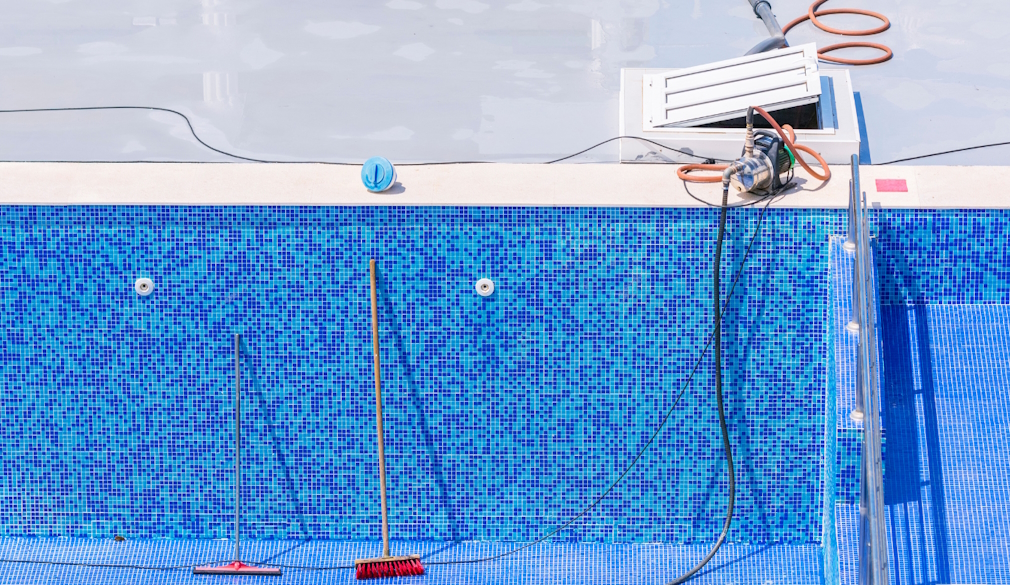
Renovating your swimming pool can transform your backyard into a luxurious oasis and greatly enhance your outdoor living space. Whether you want to update the aesthetics or improve functionality, there are countless swimming pool renovation ideas to suit every style and budget. Here's a guide to inspire your next pool makeover.
Update the Pool Finish
One of the most impactful swimming pool renovation ideas is updating the pool's finish. Over time, pool surfaces can become worn or stained. Replastering or tiling can give your pool a fresh, new look. Choose from a variety of finishes such as smooth plaster, colourful tiles, or even pebble finishes for a more natural feel. Pool resurfacing can be a much faster and more economical proposition than a pool rebuild. Consulting with a pool renovations Bundaberg team can help you select the best and most suitable materials and finishes for your pool.
Resurfacing answers
Resurfacing can be a very cost effective solution to giving your pool an amazing makeover and saving you dollars compared to having to do a rebuild. It can be the answer to
-Stained pool surfaces
-Damaged or peeling surfaces which can alter the ph levels in your pool’s water
-Cracks and leaks
-Maximise water retention
-Just simply outdated looks or surrounds
-Or a change of landscaping or aesthetics
Influencing Factors
Some of the factors that may be worthwhile considering about your pool makeover may be
-Your Budget
-Your level of usage both in numbers and frequency
-Your location and influencing weather patterns where you live
-Your future plans and how long you plan to be at this location
-Your level of satisfaction with the current state of your pool and surrounds
-Your pools age and condition
Add Water Features
Water features can add a touch of elegance and tranquillity to your pool. Consider adding elements like waterfalls, fountains, or bubblers. These features not only enhance the visual appeal but also create soothing sounds that contribute to a superbly relaxing atmosphere. Water features can be customised to fit any pool design, whether you prefer a modern, sleek look or a more natural, tropical feel.
Install Energy-Efficient Equipment
Upgrading to energy-efficient pool equipment is a smart renovation idea that can save you money in the long run. Consider installing a variable-speed pump, energy-efficient heater, or LED lighting. These upgrades not only reduce energy consumption but also enhance the overall performance and appearance of your pool. The pool renovations Bundaberg team can provide expert advice on the latest energy-efficient technologies and how to integrate them into your renovation project.
Enhance Pool Lighting
Lighting can dramatically transform the look and feel of your pool area. Consider installing LED lights in and around the pool. LED lights come in various colours and can be programmed to create different moods and effects. Underwater lighting can highlight the pool's features and create a stunning visual effect particularly at night. Additionally, landscape lighting around the pool area can enhance safety, ambiance and add an attractive natural mood to your pool surrounds.
Upgrade Pool Decking
The area surrounding your pool is just as important as the pool itself. Upgrading the pool decking can significantly improve the aesthetics and functionality of your outdoor space. Options for pool decking include natural stone, pavers, stamped concrete, and timber decking. Each material has its unique look and feel, so you can choose one that complements your overall design. Consulting with a pool renovations Bundaberg team can help you decide on the most suitable decking material for your needs.
Add Smart Pool Technology
Integrating smart technology into your pool renovation can make maintenance easier and enhance your pool experience. Consider installing a smart pool system that allows you to control the pool's functions, such as lighting, heating, and cleaning, from your smartphone or tablet. Automated pool covers, robotic cleaners, and smart water monitors are other technological upgrades that can simplify pool maintenance and improve efficiency allowing you to maintain control at the same time as setting you free from the chore of cleaning the pool yourself.
Incorporate Landscaping
Landscaping around your pool can create a cohesive and inviting outdoor space. Consider adding plants, trees, and shrubs that complement the pool area. Create shaded areas with pergolas or umbrellas for relaxation. Picture yourself relaxing amidst the splendour of a tropical oasis sipping on a cold chardonnay or nice cold beer. Hardscaping elements like pathways, retaining walls, and outdoor kitchens can further enhance the functionality and attractive beauty of your pool area creating a wonderful atmosphere for entertaining with friends or family.
Conclusion
Renovating your pool can breathe new life into your backyard and provide endless enjoyment for you and your family. From updating the pool finish to incorporating smart technology, these swimming pool renovation ideas offer a range of options to suit any style and budget. Whether you're making minor updates or planning a complete overhaul, a pool renovations team can help you achieve your dream pool renovation. With careful planning and the right upgrades, your pool can become a stunning and enjoyable centrepiece of your outdoor living and entertaining space.
Happy swimming!